This is the question I get more than any other. Before almost every booking, someone sends me a message that starts with “I really want to come to Istanbul, but…” — and I understand completely. The news can make anywhere sound dangerous. So let me answer this honestly, as someone who was born here, guides tours here every week, and walks these streets every single day.
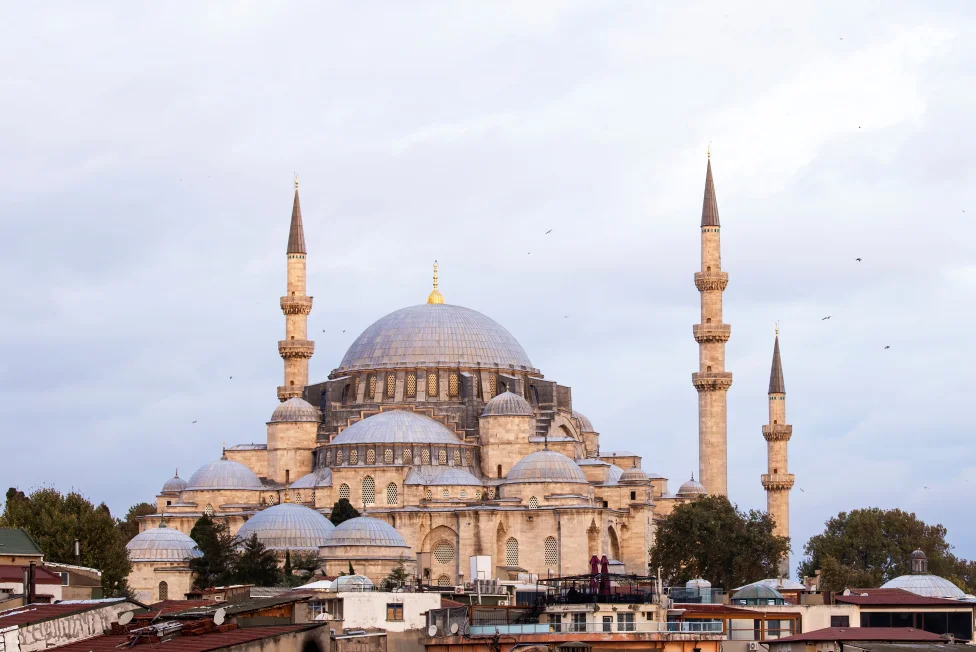
The short answer: Yes, Istanbul is safe for tourists in 2026. It’s comparable to Paris, Rome, or Barcelona in terms of visitor safety. Millions of people walk through Sultanahmet, the Grand Bazaar, and along the Bosphorus every year without incident. The real risks are predictable and completely avoidable — and I’ll tell you exactly what they are.
How Does Istanbul Compare to Other Cities?
According to Numbeo’s Safety Index, Istanbul’s overall crime rate is lower than Rome, Barcelona, and Athens. Violent crime directed at tourists is exceptionally rare — statistically rarer than in London or Paris. Turkish police have reported consistent year-over-year drops in crimes against individuals, and the tourist zones have heavy, visible security: cameras, tourism police units, and plain-clothes security at every major site.
The biggest risk to your Istanbul trip isn’t violence. It’s the scams — and those are very easy to avoid once you know what they are.
The Scams You Actually Need to Know
I’m going to be direct here, because this is where first-time visitors lose money. None of these are violent. They all rely on your politeness or your trust — which is exactly why they work.
1. The Shoe-Shine Drop
A shoe-shiner walks past you and “accidentally” drops his brush at your feet. You pick it up — you’re being polite. He thanks you enormously and insists on shining your shoes for free. Once he’s done, the bill arrives: far more than any shoe shine should ever cost, and he gets aggressive if you refuse. This is Istanbul’s oldest and most-documented tourist trick. It’s been running for decades and it still works, because tourists are kind people.
→ If a brush drops near you, keep walking. You’re not being rude. You’re being smart.
2. The “Let’s Get a Drink” Invitation
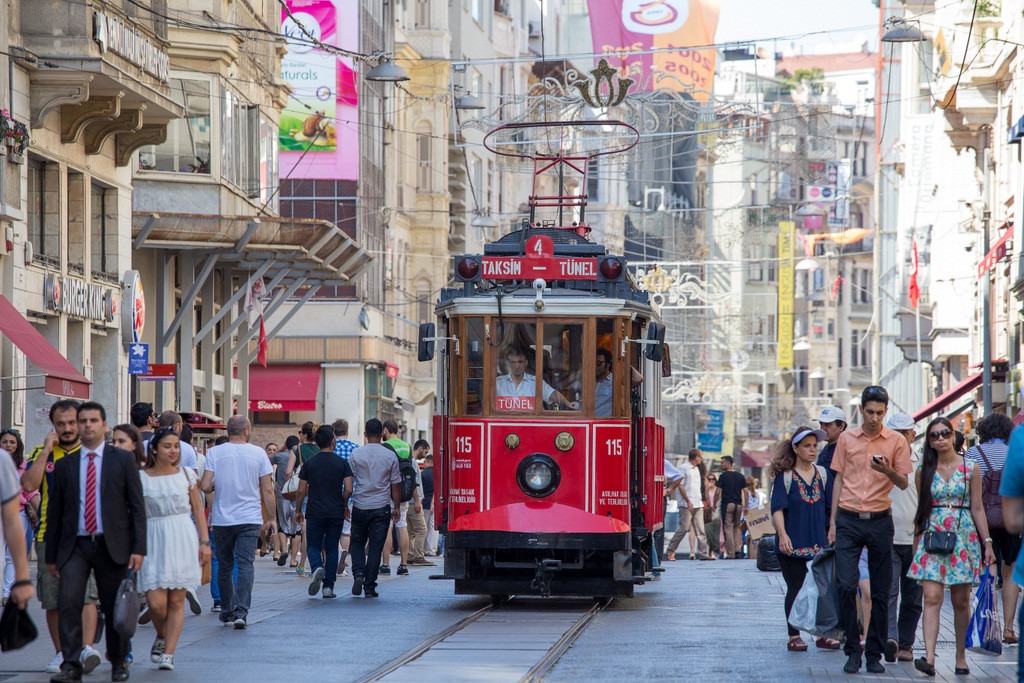
A friendly, well-dressed man starts a conversation near Taksim or İstiklal Avenue. He seems warm and curious about where you’re from. After a few minutes he mentions a “great local bar — nothing touristy, real Istanbul.” The bar turns out to be a basement venue where drinks cost thousands of euros, and large men block the exit until you pay. This is the most financially dangerous scam in the city — bills regularly reach €500 to €2,500. The approach always starts the same way: a stranger, a smile, and a generous invitation.
→ Never follow a stranger to a bar you haven’t chosen yourself. No matter how charming he seems.
3. Taxi Tricks
The most common complaints I hear from guests involve taxis: the “broken” meter that only seems to break for tourists, the scenic route that doubles the fare, and the night-rate multiplier quietly running during daylight hours. Most Istanbul taxi drivers are perfectly honest, hardworking people — but a small minority aren’t, and they tend to operate near the airport and major tourist sites.
→ Use the BiTaksi app. Fare is fixed in advance and GPS-tracked. If you take a street cab, check that the meter shows “1” (day rate, not “2”), and follow your route on Google Maps.
4. The “This Attraction Is Closed Today” Redirect
Someone near Hagia Sophia or the Blue Mosque tells you it’s closed — national holiday, prayer time, renovation, whatever the excuse. Then they offer to show you “something even better nearby.” That something is always a carpet shop or a tea house where they earn a commission on everything you buy. The attraction is almost certainly not closed.
→ Check opening times on your phone before leaving your hotel. Ignore unsolicited closing announcements from strangers on the street.
5. Currency Switch on Card Machines
Some shops in the Grand Bazaar area will process your card in euros instead of Turkish lira without telling you. Because the lira has depreciated significantly, this can mean paying two or three times the real local price — and you won’t notice until you check your bank statement later.
→ Before you tap your card, check the screen shows TRY (Turkish Lira), not EUR or USD. If it doesn’t, ask them to switch it before confirming.
Is Istanbul Safe for Solo Female Travelers?
Yes — with the same awareness you’d bring to any large city. Thousands of women travel solo in Istanbul every year and most describe feeling safer than they expected going in. Turkish hospitality is genuinely warm, and locals — shopkeepers, restaurant staff, fellow commuters — tend to be naturally helpful and protective of visitors.
The most common challenge is unsolicited conversation and catcalling, particularly around the bazaar areas. It’s annoying, not dangerous. Walk with purpose, a firm “no, thank you” works every time, and you’re never far from a busy, well-lit street. When visiting mosques, carry a light scarf for your shoulders and head — it takes ten seconds and removes any friction entirely.
The 10 Practical Tips I Give Every Guest Before Their Tour
Before every tour I run, I share these with my guests. Eight years of doing this taught me that the people who know these things have a completely different experience from those who don’t.
- Download BiTaksi before you arrive. It’s the local taxi app — fare shown upfront, GPS-tracked, no negotiation required. Use it every time instead of hailing cabs off the street.
- Get an İstanbulkart transit card on arrival at any kiosk. It works on the metro, tram, bus, and ferry. Single tickets cost 2–3 times more, so load €15 on the card and you’re set for days.
- Keep your phone in your front pocket or zip pocket in crowded areas — the Grand Bazaar, Eminönü ferry terminal, Sultanahmet Square during peak hours. Walking and scrolling in busy streets is where most pickpocketing happens.
- Before tapping your card anywhere, check the currency on the machine screen. It should say TRY. If it says EUR or USD, ask them to switch it before confirming the payment.
- Buy a local SIM card at Istanbul Airport on arrival — Turkcell or Vodafone both offer tourist packages around €15 for 20GB of data. Having data makes navigation, translation, and taxi apps effortless.
- Download offline maps for Istanbul on Google Maps or Maps.me before leaving your hotel each day. If you lose signal or data, you’ll still know where you are.
- Never follow a stranger to a bar you haven’t chosen yourself — especially near Taksim Square and İstiklal Avenue at night. The bar scam is real, it’s common, and it starts with someone who seems genuinely friendly.
- If someone tells you an attraction is “closed today”, check your phone before you believe them. Hagia Sophia, Topkapı Palace, and the Blue Mosque operate on published schedules. Closures are rare and widely announced.
- In the Grand Bazaar, treat the first quoted price as a starting point, not the real price. Negotiating is expected and welcomed — it’s part of the culture, not a confrontation. A polite counter-offer is always respected.
- Trust your gut. If a situation, a person, or an invitation feels off — walk away without explaining yourself. Istanbul is full of genuinely warm, hospitable people. You’ll know the difference between that and something that isn’t right.
Emergency numbers worth saving: 112 for police and ambulance, 153 for Istanbul’s city complaint hotline, and the Tourism Police at 527 45 03.
My Honest Bottom Line
I’ve been guiding tours in this city for over eight years. I’ve walked these streets with thousands of visitors from every country imaginable — families, solo travelers, retirees off cruise ships, honeymooners, history obsessives who could name every Byzantine emperor. In eight years, I’ve had guests lose belongings to pickpockets exactly three times. Nothing more serious than that, ever.
Istanbul is a city that rewards curiosity and treats its guests with extraordinary generosity. Yes, there are scams — but there are scams in Paris and Barcelona too. The difference is that in Istanbul, a stranger is more likely to invite you for tea because they genuinely want to talk to you than because they want anything from you.
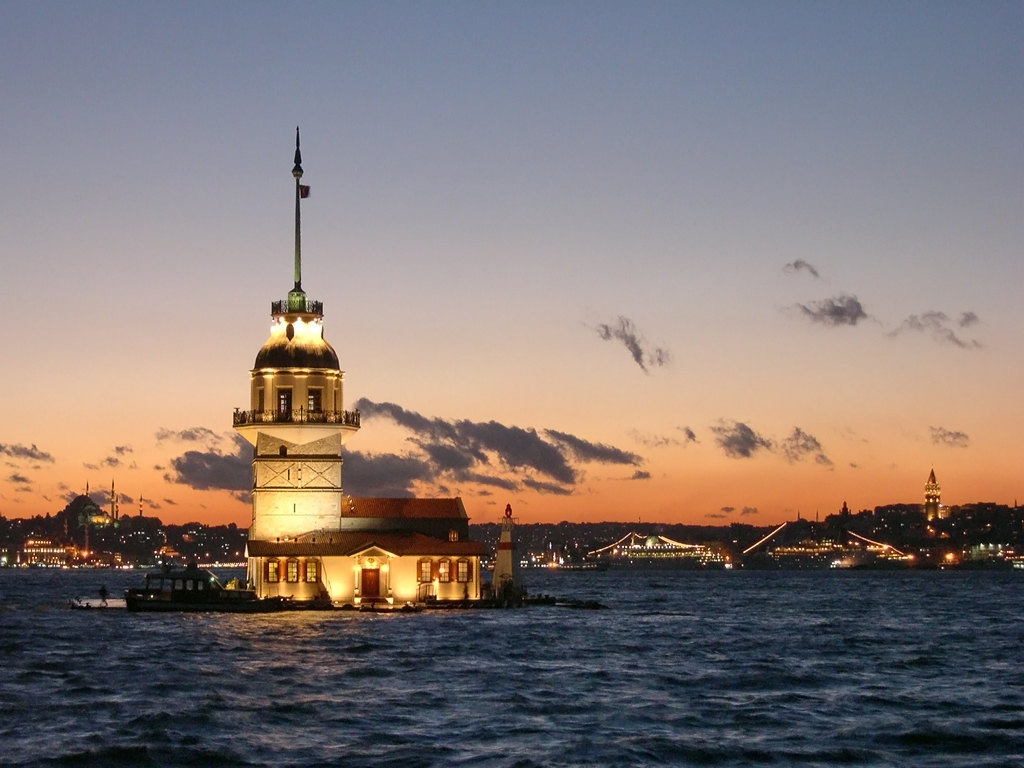
Come. Walk through Sultanahmet in the morning when the minarets catch the early light. Take the ferry from Eminönü to Kadıköy and watch the seagulls follow the wake. Eat a simit on the Galata Bridge. Istanbul is waiting — and it’s safe to come.
Planning a visit to Istanbul? As a licensed local guide, I handle everything — hotel pickup, skip-the-line access, real local knowledge. Pay after your tour, no upfront cost required. Get in touch here or WhatsApp us directly at +90 533 231 07 26.